About us
An export desk that contracts at origin.
Indus Origin sources Indian spices and agro commodities in the growing belts, cleans and grades them to a written specification, and ships them documented for the market they are going to.
How we buy
Close to the crop, not to the middle.
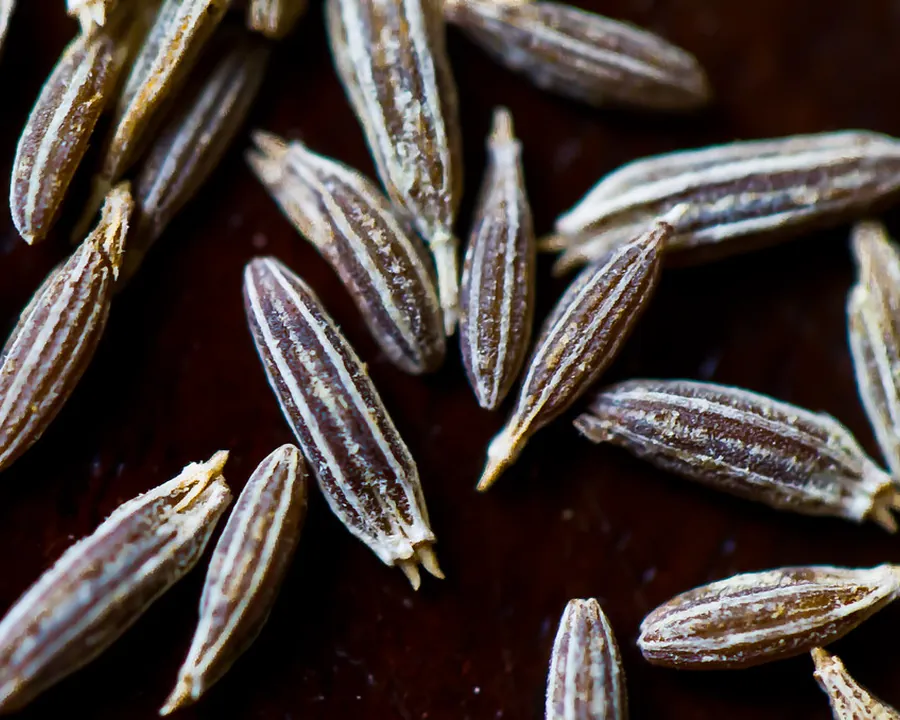
Buying happens where the crop arrives — the seed-spice markets of north Gujarat, the chilli and turmeric belts of the Deccan, cardamom and pepper from the Western Ghats, makhana from the eastern plains. Lots are taken on visible moisture, colour and admixture, in the season, rather than bought forward off a price list.
The question a buyer is really asking is whether the container will match the sample. Everything here is arranged around answering that in writing.
The range covers 103 products in 11 categories, which means a buyer can consolidate spices, seed spices, pulses, millets, dehydrates, coconut and coffee into one order, one container and one set of documents rather than running four suppliers against four contracts.

What we hold ourselves to
Four commitments, made in writing.
Specification before price
Origin, grade, purity, moisture, packing and lead time are agreed on paper first. A price against an assumption is not a price.
The sample is the contract
Pre-shipment samples go out on every consignment and counter-samples are retained, so a question at the other end is settled against the same material.
One basket, one document set
Mixed containers across categories, so a smaller buyer is not forced into single-product volumes to get container freight.
No surprises after the contract
Packing, labelling, incoterm and lead time are fixed at contract stage, not renegotiated once the crop moves.
Chain of custody · one record per stage
How a lot reaches you
Six stages, and a record at each one.
The same sequence runs for every product, whether it is a container of cumin or a pallet of retail packs. Each stage writes something you can read back against the lot code.

Quality assurance
Specification first, shipment second.
If a parameter misses, the lot is downgraded or rejected. It is not shipped and explained afterwards.
- A written specification comes first. Origin, grade, purity, moisture, packing and lead time are agreed in writing before a price is quoted, so there is nothing left to interpretation.
- Pre-shipment samples, every time. The lot is sampled before it ships and counter-samples are retained, so a question after arrival can be answered against the same material.
- Traceable to the lot. Packs carry a lot code that maps back to the intake and the cleaning pass it came through.
- Moisture-controlled packing. Barrier packing on humidity-sensitive products, chosen for the sea leg and the climate at the destination.
- Steam sterilisation where required. Microbial reduction without irradiation, for markets whose buyers or regulators ask for it.
FSSAI Licensed · APEDA Registered · Spices Board of India · ISO 22000 · HACCP
Enquiries
Tell us the product, the port and the volume.
Send the specification you buy against and we will come back with origin options, packing and a price on your incoterm.